- What is SSL Encryption and How Does It Work on Slingo?
- A Step-by-Step Look at the Slingo Login and Deposit Security Process
- Beyond SSL: Additional Data Protection Measures at Slingo
- Your Role in Account Security: Best Practices
- Understanding Data Usage: KYC Checks and Fair Play
- Troubleshooting Common Security Concerns
Slingo SSL Encryption and Data Protection: A Player’s Guide to Online Safety
When playing online, the security of your personal and financial data is paramount. Understanding how platforms like Slingo protect you is not just reassuring—it’s essential. This guide provides a clear, step-by-step explanation of SSL encryption and other data protection measures you’ll encounter, helping you play with confidence.
What is SSL Encryption and How Does It Work on Slingo?
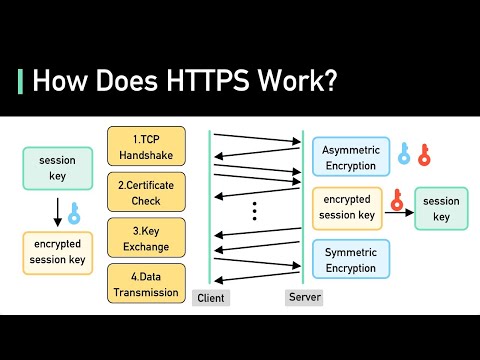
SSL (Secure Sockets Layer) encryption is the standard technology for creating a secure, encrypted link between a web server (like the Slingo casino servers) and your browser. Think of it as a secure, private tunnel for all data exchanged between you and the site. When you visit the Slingo website, your browser checks for a valid SSL certificate. You can confirm it’s active by looking for a padlock icon in your browser’s address bar and seeing that the web address begins with “https://” instead of “http://”. The ‘s’ stands for ‘secure’. This encryption scrambles data like your login details, address, and deposit information, making it unreadable to anyone who might intercept it.
A Step-by-Step Look at the Slingo Login and Deposit Security Process
Every interaction with the platform is designed with security in mind. Here is a typical secure transaction flow when you make a deposit:
- Secure Connection Established: You log in to your Slingo account. Your browser and the Slingo servers perform an SSL ‘handshake’ to establish the encrypted tunnel.
- Authentication: You enter your username and password, which are encrypted before being sent.
- Navigating to Cashier: You click the deposit button, and the secured connection remains active.
- Payment Details Entered: You select a payment method (e.g., Visa, PayPal, Skrill) and enter your details. This sensitive information is encrypted immediately.
- Transaction Authorization: The encrypted data is sent directly to the payment processor. Slingo itself does not store your full card details.
- Confirmation: You receive an on-screen confirmation, and the transaction is logged securely.
Beyond SSL: Additional Data Protection Measures at Slingo
SSL is just the first layer of defense. Reputable sites employ a multi-layered security approach. This includes firewalls to block unauthorized access, regular security audits to find and fix vulnerabilities, and strict data protection policies that comply with regulations like the UK Gambling Commission’s rules. Your data is stored on secure servers, often with encryption-at-rest, meaning it’s encrypted even when not being transmitted. Furthermore, when you claim a Slingo bonus or use a Slingo promo code, the terms and conditions are tied to your account in a secure manner to prevent fraud.
Your Role in Account Security: Best Practices
While Slingo provides robust security, you are a crucial part of the equation. Your actions significantly impact your account’s safety. Follow these best practices to protect your data:
- Create a strong, unique password that you don’t use elsewhere.
- Never share your login credentials with anyone.
- Always log out from your account, especially on shared devices.
- Be wary of phishing emails pretending to be from Slingo; the official site will never ask for your password via email.
- Keep your device’s operating system and antivirus software up to date.
Understanding Data Usage: KYC Checks and Fair Play
You may be asked to complete a “Know Your Customer” (KYC) verification. This is a standard and mandatory process for licensed operators. You’ll need to submit documents to prove your identity and address. The table below outlines the common documents required.
| Document Type | Purpose | Examples |
|---|---|---|
| Proof of Identity | To verify your name and date of birth. | Passport, Driver’s License, National ID Card |
| Proof of Address | To confirm your place of residence. | Recent Utility Bill (within 3 months), Bank Statement, Council Tax Bill |
| Proof of Payment Method | To secure the card or e-wallet used for deposits. | Front of Credit Card (digits masked), e-Wallet Account Screenshot |
This process, while sometimes seen as an inconvenience, is a critical part of data protection. It prevents underage gambling, fraud, and money laundering, creating a safer environment for all players. This security extends to all promotions, ensuring that a Slingo no deposit offer or Slingo free spins are claimed legitimately.
Troubleshooting Common Security Concerns
If you see a browser warning about the Slingo site’s SSL certificate, do not proceed. This could indicate a problem with the certificate or a potential security risk. Clear your browser cache and cookies, or try accessing the site later. If the problem persists, contact Slingo customer support directly. For any queries about how your data is handled, you can review their Privacy Policy, which details your rights, including the right to access or request deletion of your data.